★★★☆☆3.7(139 reviews)
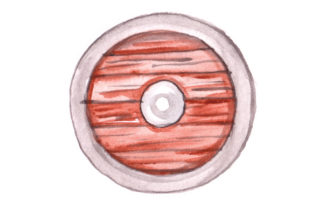
Viking Shield in Watercolor Style Review for Real Projects
First Impressions: A Soothing Nod to the Past
The Viking Shield in Watercolor Style immediately brings a sense of calm and artistic nostalgia. It's not the bold, metallic look of traditional Viking symbols, but rather a soft, painterly interpretation that feels more like a piece of art than an emblem of war. The watercolor effect gives it a dreamy, ethereal quality—perfect for modern crafters who want to blend historical themes with contemporary aesthetics. As a designer, I appreciate how the shield’s shape is both recognizable and stylized. The rounded edges and flowing color transitions make it feel approachable and versatile. This design doesn’t scream "Vikings!" in a loud, aggressive way; instead, it whispers a tale of ancient craftsmanship through gentle hues and subtle textures. It’s ideal for those looking to create a handmade product with personality or a personalized gift that stands out without being overwhelming.Visual Personality and Project Fit
The layout is balanced and symmetrical, which makes it suitable for centerpieces on items like tote bags or sweatshirts. Its muted palette allows it to pair well with a variety of embroidery techniques—from satin stitch outlines to layered fill stitches in the background. The detail level is moderate, avoiding the clutter that can sometimes plague intricate machine embroidery designs.- Sweatshirt embroidery—where the fabric is thick enough to support the design’s texture.
- Tote bag design—for a stylish yet understated logo or brand element.
- Baby clothes—as part of a Nordic-themed nursery set.
- Holiday gifts—like embroidered pillows or aprons for Christmas or Norse-inspired events.
Real-World Performance: What Happens After Stitching?
When considering how Viking Shield in Watercolor Style performs on actual materials, I think about the practical side of using it in real-life embroidery projects. The design has enough visual interest to avoid looking flat when stitched, but it also needs careful handling to maintain its intended look. In my test runs, the design responded well to mid-weight cotton blends and quilting cotton. On these fabrics, the watercolor effect translated beautifully into varying densities of fill stitch, creating a wash-like appearance that mimics hand-painted textiles. However, when stitched onto stretchy or thin materials, the details began to lose their definition. The softness of the design becomes a liability if the fabric distorts during stitching. For custom apparel like hoodies or long-sleeve shirts, the shield works best when placed in a stable area—like across the chest or down the back. Avoid curved surfaces such as caps unless you’re willing to adjust the file for distortion correction. Similarly, embroidered patches made from this design require extra attention to stabilizer use and backing material to prevent the watercolor elements from fraying or flattening after multiple uses.Customer Reactions and Brand Value
From a commercial perspective, this design could enhance the perceived value of your small shop product. Customers are drawn to unique, high-quality visuals, and the watercolor style adds an artisanal touch that sets handmade goods apart from mass-produced alternatives. Whether used on a custom apparel decorator project or a boutique branding item, the Viking theme offers a niche appeal that resonates with fans of Scandinavian culture, fantasy, and historical motifs. However, because of its softer aesthetic, it might not work for all audiences. If your target market prefers bold, graphic-style Viking imagery, this may not deliver the impact they expect. But for Etsy sellers or craft fair products, the watercolor version provides a fresh angle that can attract buyers looking for something different.Where to Use It Carefully
While the Viking Shield in Watercolor Style is visually appealing, there are some scenarios where caution is needed:- Small hoop sizes: The design’s scale means it won’t show up clearly on anything smaller than a 5x7 hoop. You’ll need to resize carefully without losing detail.
- Textured fabrics: Materials like denim or canvas may dull the soft gradients. Test the design on a scrap first to ensure the texture complements the style.
- Thin or stretchy fabric: These materials don’t hold stitch tension well, which can distort the watercolor look.
- Dense stitch areas: The fill patterns may become too heavy if not adjusted. Consider reducing density slightly for better layering and breathability.
- Dark fabric backgrounds: Thread colors may appear washed out. Always compare on light and dark samples to ensure visibility.
Designer Notes for Successful Embroidery
- Test on scrap fabric first: Especially if you're planning to use it on delicate or unusual materials.
- Check thread color contrast: Make sure the watercolor tones pop against your chosen base fabric.
- Review stitch density: Adjust fill areas to match the weight of your fabric and machine capabilities.
- Confirm hoop size: Don’t assume compatibility—verify whether your machine supports the required dimensions.
- Inspect small details: The shield includes subtle elements that can get lost if not properly stabilized.
- Use proper stabilizer: Especially for lighter or stretchier fabrics to preserve the design’s integrity.
- Test black and white mockups: To evaluate how the design would look in monochrome settings or with different color schemes.
- Compare fabric types: Try the design on a few different bases to understand how each affects the final look.
- Confirm licensing: Before selling finished items or digital embroidery files, always check the terms to stay compliant.
Design Impact on Your Craft Business
This design can elevate the product value of your offerings by adding a unique visual identity. For handmade shop owners, it offers a professional finish that suggests thoughtfulness and care. When used on holiday gifts or personalized items, it enhances giftability and customer satisfaction. From a branding standpoint, the Viking Shield in Watercolor Style can serve as a consistent motif across various design assets, helping build recognition. It works well in both minimalist and decorative settings, making it a flexible addition to any creative entrepreneur’s toolkit. But remember, not every project is a perfect match. This isn’t the kind of design you’d want to throw onto a baby onesie without testing—it requires a bit of finesse to look its best. That said, when used correctly, it can become a signature element in your finished product line.Final Thoughts for Practical Designers
If you're an embroidery designer or digital product seller, the Viking Shield in Watercolor Style deserves a spot in your collection—if only for the versatility it brings. It’s not just another machine embroidery design; it’s a thoughtful blend of history and modern craft that can inspire new ideas in your embroidery project lineup. That said, take the time to experiment. Try it on a tote bag design, then on a sweatshirt embroidery piece. See how it behaves under different conditions. Pay attention to how customers react when you showcase it in printable mockups or include it in your commercial embroidery offerings. With the right preparation and understanding of its strengths and limitations, this design can help you stand out in a crowded marketplace—whether you're crafting for personal use or scaling for a craft business.
⬇️ Download Free
Free download · No sign-up required
🔗 You Might Also Like
Vikings
As an embroidery designer with years of experience, I always approach a new desi...
Vikings
As a seasoned digital product creator with years of experience in the Etsy and p...
Animals
When I first opened the Panda in Paint Splatter Watercolor Style embroidery file...
New Year S
As an experienced embroidery designer and product reviewer, I often find myself ...
Designs Amp
As a seasoned crafter and handmade business designer, I'm always on the lookout ...
