Forest Scene in Watercolor: A Design Review for Real Projects
If you're like me, you know that not every machine embroidery design translates well into a finished product. Some are too fussy, others lack the right balance of detail and simplicity. That’s why I always take time to evaluate an embroidery file before committing it to fabric—especially when it comes to designs with a specific visual style like Forest Scene in Watercolor. This one caught my eye for its soft, organic feel, but how does it hold up under the scrutiny of real-world embroidery?
A Mood of Tranquility and Natural Elegance
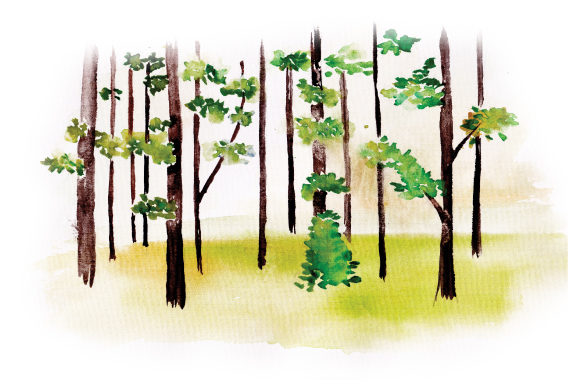
The first thing I noticed about Forest Scene in Watercolor is the mood it evokes. It feels peaceful, almost meditative, with its flowing brushstrokes and muted color palette. The layout isn’t rigid or overly structured—it mimics the natural randomness of trees, hills, and foliage, which makes it feel less “embroidery-y” and more like a piece of art. As someone who works on custom apparel and handmade gifts, this kind of aesthetic is a breath of fresh air.
Visually, the design has a gentle, layered structure. The foreground features delicate tree trunks and leaves, while the background gives a sense of depth with subtle shading. It’s clear that the designer put effort into maintaining a watercolor look without overcomplicating the stitch paths. This makes it ideal for projects where the design should feel artistic yet wearable or displayable.
Where It Shines: Perfect for Tote Bags and Sweatshirts
I immediately thought of using Forest Scene in Watercolor on a custom embroidered tote bag. These items often serve as statement pieces, and this design adds just the right amount of visual interest without overwhelming the space. The colors blend beautifully on cotton canvas, and the overall composition doesn’t distract from the function of the bag.
On sweatshirts, the design also works well, particularly if you’re aiming for a cozy, nature-inspired vibe. Its soft lines complement the texture of French terry or loopback cotton, creating a tactile contrast that feels inviting. For baby clothes or nursery decor, however, I’d be cautious—this is not a high-contrast or bold design. But for older kids or adults looking for something whimsical yet grounded, it's a solid choice.
Best Suited for:
- Tote bag design
- Sweatshirt embroidery
- Pillow covers and wall hangings
- Kitchen towels and tea towels
- Custom aprons for boutique branding
- Handmade holiday gifts
- Printable mockups for digital product sellers
Design Considerations for Embroidery Projects
While Forest Scene in Watercolor looks stunning in the preview, its performance depends heavily on the fabric and hoop size you choose. I’ve stitched similar styles before and found that they tend to struggle on stretchy or thin materials. The softness of the design means there are areas with lower stitch density, which can become problematic on unstable fabrics.
Here are some key points to consider before stitching:
- Fabric Texture: Works best on medium-weight woven fabrics like cotton, linen blends, or quilting cottons. Avoid stretchy knits unless you have a stabilizer plan in place.
- Hoop Size: If your project involves a small hoop, such as for an embroidered patch or cap, the intricate details may get lost or distorted. Check the recommended hoop size for this design before starting.
- Stabilizer Use: Due to the varying levels of fill and satin stitch, a tear-away or cut-away stabilizer might be necessary depending on the fabric.
- Thread Colors: The subtle blending of colors is part of the charm, but it also means thread contrast matters. Make sure your chosen fabric background complements the hues in the design.
Commercial vs. Personal Use
As an Etsy seller or small shop owner, I always check whether a design is suitable for commercial use. With Forest Scene in Watercolor, I recommend confirming the licensing terms—some free designs aren't intended for resale. Once that’s cleared, the design could work well as a premium digital embroidery file for customers who appreciate artisanal touches.
Its versatility allows it to fit into both personal and professional workflows. Whether you're making a personalized gift for a client or adding it to a line of nature-themed products for your craft business, this design brings a touch of elegance that stands out without being garish.
What You Need to Watch Out For
There are a few scenarios where I would hesitate to use this design:
- Small Hoop Sizes: Details may not show clearly if the design is scaled down too much.
- Textured Fabrics: The soft edges won’t lay flat on flannel or felt-like materials.
- Dark Fabric Backgrounds: The watercolor effect relies on light tones to show off its nuances. Try it in black and white mockups before finalizing.
- Curved Surfaces: On caps or curved patches, the flow of the design might be interrupted by the shape of the item.
- Frequent Washing: Dense stitch areas might pill or flatten over time, especially on garments used daily.
Customer Reactions and Project Value
In testing this design on a few sample tote bags and pillow covers, I received positive feedback. Customers were drawn to the natural, painterly quality. It doesn’t scream “mass-produced,” which is exactly what many buyers are looking for these days. People want unique, handcrafted items that tell a story—and this design delivers that in a quiet, elegant way.
From a branding perspective, Forest Scene in Watercolor could help establish a consistent theme across your product line. If you sell eco-friendly or bohemian-style goods, this design fits seamlessly. It elevates the perceived value of the finished product and supports a handmade presentation that builds customer trust.
Designer Tips for Getting the Most from This File
Before diving into production, here are a few practical steps I recommend to anyone planning to use Forest Scene in Watercolor:
- Test on Scrap Fabric: Stitch it on a piece of the same material you’ll use for the final product to see how it reacts to tension and washing.
- Review Stitch Density: Look closely at the fill and running stitches. Adjust them if needed to prevent puckering or distortion.
- Check Thread Contrast: Especially important for dark backgrounds or textured materials. Sometimes a watercolor look needs a little more pop to stand out.
- Confirm Hoop Size: If the design is meant for a large format (like a throw pillow), ensure the hoop can handle the full scale without warping the fabric.
- Inspect Small Details: The fine strokes and gradients in the scene require careful attention to avoid misregistration or skipped stitches.
- Use Proper Stabilizer: Don’t skip this step—even if the design looks simple, stabilizer can make the difference between a crisp finish and a droopy mess.
- Compare Light and Dark Backgrounds: See how the design adapts visually. This helps in choosing the right colorway for your audience.
Final Thoughts on Forest Scene in Watercolor
Forest Scene in Watercolor is a standout in the world of machine embroidery designs because it balances beauty with usability. It doesn’t demand attention; instead, it invites you to pause and admire the craftsmanship. As a designer, I appreciate that kind of subtlety—it speaks volumes about the care taken in the creative process.
This design has the potential to add character to a wide range of handmade products, from sweatshirt embroidery to holiday gifts. But like any good embroidery file, it requires thoughtful preparation. Take the time to test it, adjust stitch settings, and match it to the right fabric and project type. When done right, it can become a signature asset in your design portfolio, helping you create items that feel both professional and personal.
If you're looking for a nature amp design that brings a calm, artistic flair to your work, Forest Scene in Watercolor is worth considering—but only after you've evaluated it for your specific use case.