Sporran in Watercolor: A Designer’s Honest Review
As an embroidery designer with years of experience bringing digital files to life on fabric, I’ve reviewed countless machine embroidery designs. When I first opened the Sporran in Watercolor file, I knew it had potential—but how would it perform in real-world applications? Let me walk you through my process as I evaluate this design for use in a variety of projects, from personalized gifts to commercial items.
First Impressions and Design Personality
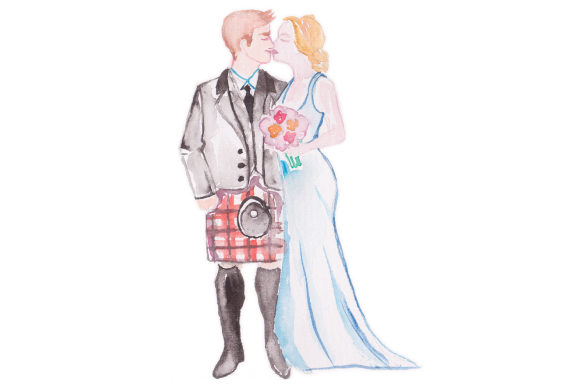
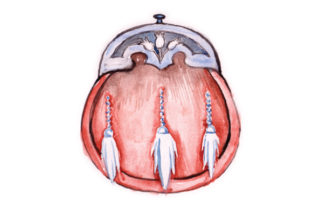
The Sporran in Watercolor design immediately caught my eye with its soft, flowing style. The watercolor aesthetic is both elegant and whimsical, making it versatile enough for a wide range of themes. It feels like something that could easily transition between a handmade product and a more refined commercial embroidery application. The layout is balanced, and the overall composition suggests a thoughtful approach to spacing and detail.
One thing I noticed right away was the gentle blending of colors, which gives the design a painterly feel. This kind of visual softness is perfect for custom apparel, especially when working with natural or pastel-toned fabrics. However, it also means that the design relies heavily on subtle gradients—something to consider when choosing thread colors and fabric types.
Where It Shines Naturally
This design fits best into projects where the embroidered patch or motif needs to convey warmth and creativity without being too bold. Think about holiday gifts, nursery decor, or even wedding-themed accessories. Its delicate nature makes it ideal for sweatshirt embroidery or tote bag design, where the embroidered element sits quietly but beautifully on the surface.
- Custom Apparel: Looks stunning on unisex sweatshirts or lightweight hoodies.
- Baby Embroidery: Perfect for adding a personal touch to onesies, bibs, or blankets.
- Handmade Products: Great for aprons, tea towels, or pillow covers where texture plays a role.
- Commercial Embroidery: Can be used effectively in boutique branding or small shop merchandise when stitched correctly.
Real-World Performance
Let’s imagine I’m preparing a custom order for a client—a pair of personalized holiday gift bags made from cotton canvas. I load up the digital embroidery file and start testing it out on scrap material. The first thing I check is stitch density, since cotton can be forgiving but still needs proper support.
The fill stitch areas in the Sporran in Watercolor are nicely distributed, avoiding overly tight clusters that might cause puckering. That said, some sections require a bit more attention—especially the finer details where the watercolor transitions into more defined shapes. These delicate parts may not hold up well if stitched too densely or on a fabric with too much give.
I also test the design on a dark gray fabric to see how the thread contrast holds. The original thread palette includes several light tones, which work beautifully on white or cream bases but begin to lose impact on darker materials. For such cases, swapping out some threads for lighter shades (or using metallic accents) could enhance visibility and make the design pop more effectively.
Key Considerations for Use
- Test on Scrap Fabric: Before stitching onto your final product, always do a trial run. Especially with watercolor-style machine embroidery designs, subtle shifts in tension or stabilizer type can affect the outcome.
- Thread Color Contrast: If you're using the design on a dark base, adjust the thread colors for better visibility. You might want to highlight key elements with contrasting stitches.
- Stabilizer Choice: Cotton-based fabrics need a good amount of backing. I recommend using cutaway or tear-away stabilizers to maintain shape and prevent distortion.
- Hoop Size: Make sure the hoop size is adequate. If the design is large, stretching could occur if hooped improperly, affecting the integrity of the watercolor effect.
- Small Details: Inspect the corners and edges closely. Some intricate parts might not render clearly on stretchy or textured surfaces, so adjustments may be needed for clarity.
- Black-and-White Mockups: Always test the design in grayscale to ensure it remains legible and appealing under all lighting conditions.
- Licensing Check: As an Etsy seller or craft business owner, double-check whether the embroidery file allows for commercial use before selling finished products.
What Works Well
One of the strengths of Sporran in Watercolor is its adaptability. The design doesn’t scream for attention, yet it’s memorable. When stitched correctly, it adds a level of sophistication that elevates any personalized gift or small shop product.
In terms of customer appeal, the watercolor style has broad reach. It appeals to those who love bohemian aesthetics, vintage-inspired motifs, and modern minimalist art. As a result, it can boost buyer engagement and perceived product value, especially if paired with quality materials and professional execution.
For printable mockups or design assets intended for online sales, the design looks clean and artistic. It's easy to visualize on different garment types and backgrounds, which helps in creating compelling previews for your craft fair products or digital product sellers looking to showcase their offerings.
Potential Challenges
While the Sporran in Watercolor is visually appealing, there are some practical limitations to consider:
- Small Hoop Sizes: If you plan to use this in a tiny hoop for a pin or patch, some details may get lost. Resize carefully and consider simplifying if needed.
- Textured Fabrics: Stitching on denim, flannel, or other thick materials might muddle the soft lines of the watercolor effect. Test thoroughly.
- Stretchy or Thin Fabrics: Avoid using it on spandex blends or ultra-thin knits unless you’re confident in your stabilizer setup and hoop tension.
- Dense Stitch Areas: The central portion of the design has high stitch coverage. On delicate materials, this could lead to stiffness or pilling after repeated washing.
- Curved Surfaces: While it works well on flat items, applying it to curved surfaces like caps or rounded pillows requires careful alignment and possibly a split design.
Design Notes for Maximum Impact
If you're planning to use Sporran in Watercolor in your next project, here are a few tips based on my hands-on testing:
- Consider using satiny stitches in key areas to add dimension while preserving the soft look.
- Use running stitch outlines sparingly to define the watercolor edges without overpowering the motif.
- Pair the design with complementary typography for personalized products—just ensure the text is large enough to read after stitching.
- Always compare the design against both light and dark backgrounds to understand how it behaves visually.
Customer Reaction and Branding Value
From a craft business perspective, the Sporran in Watercolor design has strong giftability potential. Clients often respond positively to unique, hand-stitched elements, especially when they reflect a romantic or artistic vibe. The design can become a signature piece in your collection, contributing to brand consistency and recognition.
However, keep in mind that subtlety can be a double-edged sword. While it adds charm, it also demands higher precision in stitching. Customers expect professionalism, and a slightly blurred or misaligned watercolor detail could undermine their trust in your handmade product quality.
Final Thoughts for Makers and Sellers
After putting Sporran in Watercolor through a series of trials, I’d say it’s a solid addition to any embroiderer’s library. It brings a fresh, artistic flair that can elevate everyday items into meaningful keepsakes. Whether you're an apparel decorator or a creative entrepreneur building a line of custom apparel, this design offers a lot of creative freedom—if handled with care.
My advice is to treat it like any premium machine embroidery design: test, tweak, and tailor it to your specific project needs. With the right fabric, stabilizer, and thread choices, Sporran in Watercolor can become a standout feature in your finished product, especially when applied to wedding-related items or holiday embroidery.