Tasmanian Tiger in Watercolor Style: A Versatile Design for Australian-Themed Products
As a seasoned digital product creator who’s spent years curating design assets for marketplaces like Etsy, Creative Fabrica, and print-on-demand platforms, I’ve learned the importance of evaluating every graphic design asset carefully. When I first saw Tasmanian Tiger in Watercolor Style, I was intrigued by its unique blend of natural charm and artistic flair. This piece doesn’t just look good—it has potential.
First Impressions: The Mood and Appeal of Tasmanian Tiger in Watercolor Style
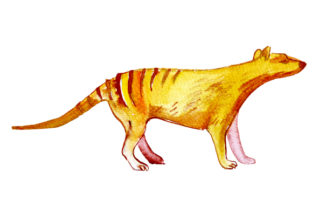
The Tasmanian Tiger in Watercolor Style immediately evokes a sense of nostalgia and elegance. The soft brush strokes and muted tones give it a handmade, artisanal feel that appeals to customers looking for authenticity and warmth in their designs. It’s not overly bold or edgy, but rather gentle and inviting—perfect for those who appreciate subtle beauty and nature-inspired aesthetics.
This illustration feels especially at home in an Australian niche. The subject itself is rich with symbolism and heritage, which could resonate well with local audiences or international buyers interested in eco-conscious themes. Whether you're selling t-shirt graphics, printable art, or themed Canva templates, this design brings a story along with it.
Who Might Be Drawn to This Design?
From my experience, this kind of watercolor wildlife illustration tends to attract a few key demographics:
- Crafters and DIY enthusiasts who love adding hand-drawn elements to their projects
- Etsy sellers targeting handmade or vintage-style product lines
- Print-on-demand creators building collections around nature, conservation, or travel themes
- Bloggers and content creators needing visual assets for Australia-related posts or seasonal campaigns
Its feminine and decorative vibe also makes it a strong candidate for greeting cards, nursery prints, and lifestyle products. However, if your brand leans more toward modern minimalism or bold typography, this might not be the best fit unless paired thoughtfully.
Real-World Applications for Commercial Use
I’ve tested similar watercolor illustrations across a range of sellable formats, and here's how Tasmanian Tiger in Watercolor Style could perform:
SVG & PNG Products
For Cricut users and SVG lovers, this design offers enough detail to make cutting interesting shapes feasible. The outlines are clear, though some may need tweaking for intricate layers. As a PNG design, the transparency works well on light-colored backgrounds, making it ideal for t-shirt graphics, tote bag prints, and sublimation projects where layering is needed.
Printable Wall Art and Planner Stickers
If you’re creating printable wall art or planner stickers, this design shines. The watercolor texture adds depth and interest without overwhelming the page. I recommend using it as part of a larger collection of Australian animals or flora for a cohesive look. For planner stickers, ensure the file resolution is high enough to avoid pixelation when printed small.
Mug Designs and Tumbler Wraps
Watercolor illustrations often do well on mugs because they add a soft, personal touch. The Tasmanian Tiger in Watercolor Style would work particularly well on ceramic mugs, glass tumblers, and even laptop skins. Just keep in mind that darker surfaces may mute the colors slightly, so test print samples before publishing your listing.
Canva Templates and Social Media Graphics
One of the most versatile uses is in Canva templates. This illustration can serve as a focal point in blog headers, Instagram stories, or promotional banners. Pair it with a clean serif font or a whimsical script to enhance its storytelling quality. On social media, the tiger’s expressive features help create emotional connection, which is key for click-throughs and engagement.
Brand Consistency and Seasonal Bundles
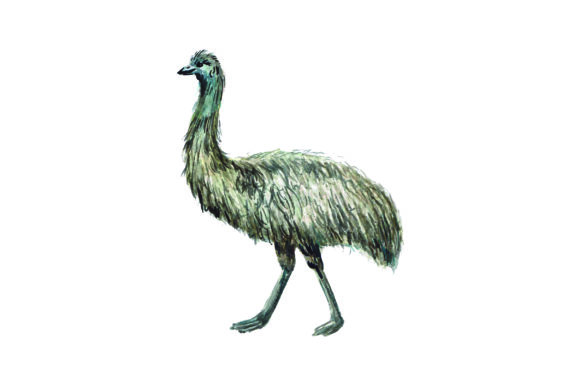
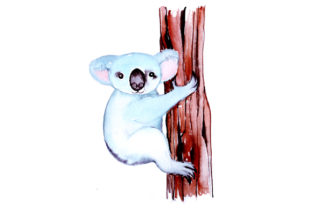
If your brand focuses on Australian wildlife, sustainability, or nature themes, this design could become a signature element in your product line. Use it consistently across listings to build visual recognition. I’ve seen great success with seasonal bundles that include multiple animal illustrations—this tiger could easily pair with kangaroos, koalas, or emus for a “native wildlife” theme.
Testing Before Launching: Key Considerations for Sellers
Before using Tasmanian Tiger in Watercolor Style in any commercial setting, I always run a few tests to evaluate performance and usability:
- Mockup Previews: Apply the design to real-life mockups of products like mugs, tote bags, and phone cases. This helps gauge how it looks in different contexts and lighting conditions.
- Thumbnail Appeal: Resize the image to marketplace thumbnail sizes (usually around 300x300 pixels) and check if it still holds attention. If it loses clarity or impact, consider simplifying the composition.
- Background Compatibility: Try placing the design on both white and dark backgrounds to see how it adapts. Watercolor styles tend to pop on neutral or pastel tones but can fade against too much contrast.
- Print Color Accuracy: Print a sample using the same printer and ink type you’ll use for production. Some digital files don’t translate perfectly to physical goods due to color profiles or paper types.
- PNG Transparency: Make sure the PNG version maintains clean edges and no stray pixels, especially if it will be layered over photos or other images in customer-facing templates.
- SVG Cut Quality: If you’re planning to use it in Cricut or Silhouette projects, zoom in on the cut lines. Any jagged edges or overlapping paths should be corrected before offering it as a downloadable file.
- File Resolution: Confirm that all file formats meet the minimum requirements for your platform. For printables, 300dpi is standard; for digital downloads, vector-based files are usually preferred.
Where It Works Best
This illustration thrives in the following scenarios:
- Large Product Previews: Its detailed brushwork looks stunning on full-size posters, canvas prints, and large wall art.
- Themed Bundles: Group it with other Australian-themed designs to offer a complete package that feels intentional and curated.
- Decorative Layouts: Ideal for scrapbooking kits, journal covers, or any project where the artwork needs to stand out as a central feature.
- Merchandise Graphics: Especially effective on apparel and accessories that target eco-friendly or nature-loving consumers.
- Social Media Promos: Use it in carousel ads, pinned posts, or influencer collabs to add a unique visual hook.
Where to Proceed with Caution
While versatile, there are a few areas where this design might fall short or require extra effort:
- Tiny Sticker Details: The watercolor style includes fine textures that can get lost in smaller sizes. Avoid using it for tiny sticker details unless you simplify the file.
- Overly Complex Layouts: Don’t try to cram it into busy compositions. Let it breathe and maintain its elegant appeal by giving it space.
- Low-Resolution Prints: If you plan to use it in print-on-demand services, double-check the recommended minimum print size and resolution to preserve its quality.
- Crowded Thumbnails: In marketplaces like Etsy, cluttered thumbnails lead to lower conversion rates. Use the tiger as a standalone visual rather than blending it with too many other elements.
- Dark Backgrounds: While it can work on darker hues, the colors may appear less vibrant. Test variations to find the right balance.
- Text-Heavy Templates: If your template requires a lot of text, ensure the tiger isn’t competing for visual priority. Use it as an accent instead of a dominant feature.
- Clean Cutting Lines: For Cricut or Silhouette users, inspect the SVG for unnecessary nodes or complex paths that could cause cutting issues.
Design Pairings and Branding Opportunities
To maximize the value of Tasmanian Tiger in Watercolor Style, consider pairing it with complementary fonts and layout styles:
- Serif Fonts: Add sophistication for branding materials or book covers.
- Sans Serif Fonts: Keep things clean and modern for tech or lifestyle products.
- Script Fonts: Create a dreamy, romantic vibe for greeting cards or wedding invitations.
- Handwritten Fonts: Reinforce the “handmade” aesthetic common among craft-focused audiences.
- Display Fonts: Use boldly on merchandise or packaging to highlight the design as a statement piece.
These pairings allow you to tailor the asset to specific product niches, from rustic farmhouse decor to boutique fashion labels.
Commercial Licensing and Marketplace Readiness
One of the most critical steps for any digital product seller is confirming the commercial license for the asset. Even if Tasmanian Tiger in Watercolor Style looks perfect for your upcoming design bundle, if the licensing restricts resale or mass printing, it won't be viable for long-term use.
Once licensed, organize your files clearly. Offer multiple resolutions and file types (PNG, SVG, JPEG, EPS) to cater to different user needs. Provide usage guidelines to help customers understand what they can and cannot do with the asset. This builds trust and minimizes support requests down the line.
Final Thoughts for Digital Product Creators
In summary, Tasmanian Tiger in Watercolor Style is a solid addition to your design toolkit, especially if you're focusing on Australian-themed or nature-inspired digital products. It’s not the kind of graphic that screams for attention, but rather one that invites curiosity and connection.
Use it in product mockups to showcase its adaptability. Include it in creative marketplace listings as part of a design bundle to increase perceived value. And always remember to test it thoroughly—on different products, in various sizes, and with different background tones—to ensure it performs well across platforms.
Whether you're launching a new line of printable wall art or updating your digital download shop, this tiger has the potential to elevate your offerings. But like any design asset, it needs smart application and careful preparation to deliver consistent results and grow your online shop effectively.