Tiger in Watercolor: A Versatile Animal Graphic for Handmade Creations
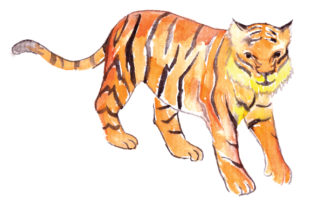
As an experienced crafter and handmade product designer, I always look for graphic design assets that feel unique yet adaptable to various projects. When I first saw Tiger in Watercolor, it immediately caught my eye with its soft, artistic strokes and realistic yet approachable animal form. This illustration has a quiet elegance to it—something that makes me think of cozy planner stickers, elegant greeting cards, or even personalized mugs for a seasonal collection. It’s the kind of asset that can elevate your Etsy shop or craft fair offerings without feeling over-the-top.
A Natural Fit for Seasonal and Gift-Focused Crafts
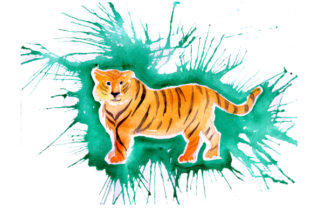
The Tiger in Watercolor is not just another animal clipart—it tells a story. The watercolor style gives it a warm, hand-painted quality that many customers find appealing, especially those looking for artisanal, nature-inspired, or bohemian-themed products. Its visual tone suggests creativity, playfulness, and a touch of sophistication, making it perfect for gift products like tote bags, tumbler wraps, or custom stickers.
For small handmade businesses, this illustration works well as part of a seasonal design bundle. Think of using it for fall-themed items, wildlife collections, or even yoga mat prints. It can be paired with other animals in similar styles to create a cohesive line of products that speak to a niche audience—perhaps lovers of jungle themes, animal lovers, or those who appreciate minimalist art with depth.
Using Tiger in Watercolor for Cricut and Silhouette Projects
If you're working with Cricut or Silhouette machines, this SVG design is a solid choice for large cut files. The tiger’s body and stripes are bold enough to translate well into vinyl cutting for t-shirts, tote bags, or wall decals. However, keep in mind that the finer details may require some adjustments if you’re planning on using it for very small stickers or intricate layered designs. I recommend resizing it to at least 4 inches before testing it on your machine to ensure the lines remain crisp and clean.
I’ve found that when using watercolor-style illustrations like this one, it's crucial to check the SVG lines for any overlapping paths or unnecessary nodes that could cause issues during cutting. I run all my SVGs through a quick cleanup process using Silhouette Studio or Adobe Illustrator to make sure everything cuts smoothly. For Cricut users, the same goes—if you're using Design Space, preview how it layers before sending it to your machine.
Best Uses for Cricut/Silhouette:
- Vinyl decal for t-shirts or hoodies
- Wall art using heat transfer vinyl (HTV)
- Tumbler wraps for fall or winter collections
- Large decorative accents on handmade packaging
- Planner stickers or journal inserts
Printable Products and Sublimation Designs
Print-on-demand creators will love the PNG version of Tiger in Watercolor. The transparency allows for easy placement on white backgrounds or layered with other elements. I used it recently for a set of printable wall art and found that the file was high-resolution and ideal for sublimation printing on mugs, tumblers, and even fabric.
When preparing a sublimation design, I always test the color palette against different base colors. The watercolor effect blends beautifully on light surfaces but can lose some of its charm on darker substrates unless you adjust the opacity or layer it with a subtle gradient beneath. This means it's best suited for white or pastel-toned products, where the soft hues can shine.
Another tip for print-on-demand use: don’t forget to confirm the commercial licensing for this asset. Many free cliparts come with restrictions, and for handmade business owners, it’s essential to know whether you can sell products featuring the design. If the license permits commercial use, then it’s a great candidate for inclusion in your digital product offerings on platforms like Etsy or Creative Market.
Top Printable Applications:
- Custom mug design for a coffee-loving customer base
- Sticker design for kids' backpacks or notebooks
- Gift tags with a whimsical, natural vibe
- Scrapbooking layouts or card templates
- Wall art for home decor shops
Designing for Etsy and Creative Marketplaces
Etsy sellers and creative entrepreneurs often need graphics that stand out but still feel personal. Tiger in Watercolor offers that balance. I’ve included it in several design bundles for handmade shops and have seen positive feedback from buyers who want something less cartoonish and more organic in their product designs.
This illustration pairs well with a variety of fonts. For a more rustic or cozy look, try pairing it with a serif font like Playfair Display. If you want a modern twist, a sans-serif such as Lato or Montserrat works nicely. Even script or handwritten fonts can complement the watercolor aesthetic, especially when designing thank-you cards or personalized gifts.
One thing I’ve noticed is that while the tiger itself is striking, the background might not be necessary for all projects. In some cases, simplifying the layout by removing the background can make it more versatile. For example, when designing a product mockup for a t-shirt or tote bag, a clean white space around the tiger helps it pop more effectively.
Technical Considerations for Real-World Crafting
Before incorporating Tiger in Watercolor into your next batch of customer orders, take the time to test the file. Here are a few practical steps I follow:
- Test the cut file on a sample material to check for accuracy and detail retention.
- Preview the PNG on both white and dark product mockups to see how the colors render.
- Check resolution for sublimation work—look for at least 300 DPI to avoid pixelation.
- Resize carefully to maintain clarity; scaling too much can distort the watercolor texture.
- Confirm commercial licensing to avoid legal pitfalls when selling finished products.
Also, consider how it looks when printed. Because of the watercolor effect, some printers may struggle with ink bleed or color saturation. I always do a dry run with my preferred materials and printer settings to get a clear idea of the final result.
Where to Use with Caution
While Tiger in Watercolor is incredibly versatile, there are a few areas where it may not perform as well. Avoid using it in very small sizes or on crowded compositions, as the delicate brushstrokes can become lost or muddy. Thin lines and soft edges might also pose a challenge for certain vinyl applications—especially if you're layering multiple pieces or working with textured materials.
Additionally, if your project requires clean readable shapes, like alphabet letters or geometric patterns, this tiger may not be the best fit. It’s more decorative and artistic than functional, which is perfectly fine for what it is—but just something to keep in mind when choosing design assets for specific purposes.
Final Thoughts and Recommendations
In short, Tiger in Watercolor is a beautiful addition to any handmade designer’s toolkit. Whether you're crafting for your own handmade business or preparing a new line for a local market, this illustration brings a sense of warmth and artistry that’s hard to replicate with vector-only graphics.
It’s particularly effective in decorative accents, personalized items, and small business branding efforts that aim to convey creativity and craftsmanship. Just remember to test the file thoroughly, simplify when needed, and always verify licensing terms before listing anything for sale.
Overall, I’m excited to see how this asset can grow with my seasonal collections. It’s the kind of graphic that feels timeless yet fresh—perfect for adding a bit of wild beauty to everyday handmade goods.