Watercolor Bear Embroidery Design Review for Real Projects
As an embroidery designer who’s stitched everything from personalized baby clothes to commercial apparel, I always approach a new design like Watercolor Bear with a critical eye. It’s not just about how it looks on screen—it’s about how it will hold up in the real world, on fabric, under stitching stress, and in front of customers. After spending time with this machine embroidery design, here’s my honest take based on practical application and visual appeal.
First Impressions: Softness Meets Character
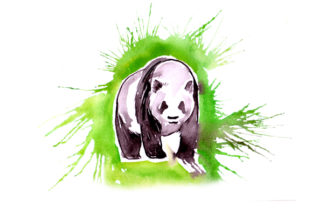
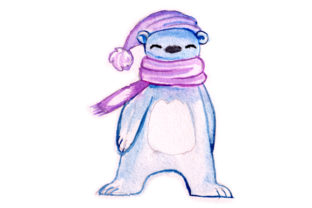
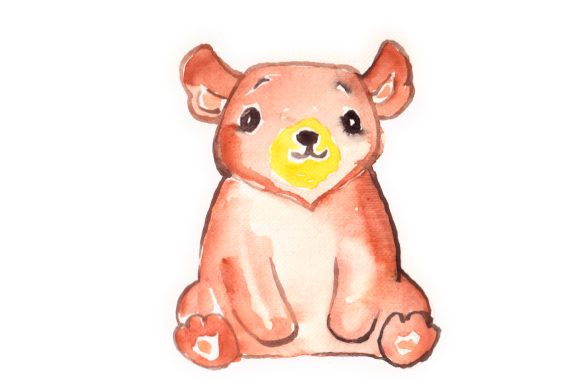
The moment I opened the Watercolor Bear embroidery file, I was drawn to its gentle, whimsical vibe. The bear is rendered in a soft watercolor style that feels hand-painted rather than digitized. This gives it a unique charm—perfect for projects where you want to evoke warmth and nostalgia without being overly cute or childish.
Visually, the shape is balanced, and the layout leaves room for customization. The bear has expressive eyes and subtle shading that give it personality without overwhelming the canvas. It’s clear that this design belongs in the Animals category but stands out by avoiding cliché stylings. The detail level is just right for most embroidery applications, especially when you're aiming for a boutique or handmade look.
Where It Shines: Custom Apparel and Personalized Gifts
Watercolor Bear really shines on custom apparel items like sweatshirts and tote bags. Its soft lines and muted colors make it ideal for adult-oriented designs or gender-neutral children's wear. For example, imagine using it on a cozy organic cotton sweatshirt for a holiday gift. The watercolor effect adds depth and makes the design feel more premium, which can elevate your product's perceived value.
I also see it working beautifully as an embroidered patch on denim jackets or canvas backpacks. The style is versatile enough to fit into both casual and curated fashion spaces. If you’re an Etsy seller or run a small shop, this could be a great addition to your line of personalized gifts—think baby blankets, nursery decor, or even tea towels for a cozy kitchen aesthetic.
Real-Life Performance: Stitch Clarity and Fabric Considerations
In practice, the satin stitch outlines are smooth and clean, while the fill stitch areas provide enough texture to mimic watercolor washes without becoming too dense. This balance is key for maintaining the delicate appearance of the design after embroidery. However, there are some things to keep in mind when planning your next project.
- Stitch Density: The fill areas are light, which is great for airflow on t-shirts and comfort on garments. But if you plan to layer multiple designs together, you’ll need to adjust the density or spacing to avoid overlapping textures.
- Hoop Size: While the exact hoop size isn’t specified, I recommend testing it on at least a 6x10 inch hoop to ensure all details come through clearly. Smaller hoops may lose definition in the bear’s facial features or paw prints.
- Fabric Texture: The design works best on medium-weight, woven fabrics like cotton, linen blends, or quilting cotton. Stretchy or textured materials such as stretch knits or felt might distort the fine lines and soft gradients.
- Thread Colors: The palette is intentionally limited, which is good news for thread management. Still, I suggest reviewing the color placement before finalizing your project, especially if you plan to use it on dark backgrounds where contrast becomes essential.
Use Cases to Avoid or Approach Carefully
Though Watercolor Bear is charming, it’s not suited for every situation. Here are a few scenarios where you should test it thoroughly or consider alternatives:
- Small Hoop Sizes: Details may become lost if you don't have enough space to let the design breathe.
- Textured Fabrics: Canvas or twill could create bumps that disrupt the soft watercolor illusion.
- Thin or Stretchy Materials: Delicate linens or spandex blends might struggle to support the weight of stitches, leading to puckering or distortion.
- Dark Backgrounds: While possible, the bear needs strong thread contrast to remain visible. Always test on similar fabric first.
- Curved Surfaces: Patches on caps or curved seams require careful seam alignment and possibly resizing or adjusting the design.
- Detailed Corners: The bear’s edges are fluid, so precise corner placement is important for maintaining the intended look.
Customer Appeal and Brand Value
When it comes to customer trust and buyer engagement, Watercolor Bear ticks several boxes. Its artistic quality suggests attention to detail and craftsmanship, which can help build brand consistency for a creative business. As a personal or boutique-style design, it conveys a sense of uniqueness and thoughtfulness—important traits for handmade products and personalized gifts.
From a visual standpoint, the bear is instantly recognizable and holds its shape well across different scales. Whether used on a large pillow cover or a small embroidered tag, it retains its character. This recognition factor can boost your product’s marketability, especially during the holiday season or for themed events like baby showers or weddings.
Professional Presentation Tips
If you're using Watercolor Bear in a professional setting or selling finished products, here are a few tips to maintain quality and customer satisfaction:
- Test on Scrap Fabric First: Always do a trial run to assess stitch behavior and visual outcome.
- Check Thread Contrast: Especially on darker fabrics or when using monochromatic thread sets, ensure visibility remains high.
- Review Stitch Density: Adjust if necessary for fabric type and desired texture.
- Confirm Hoop Size: If the design is larger than expected, double-check compatibility with your machine and stabilizer setup.
- Inspect Small Details: Make sure the bear’s face and paws are crisp and defined after stitching.
- Use Proper Stabilizer: A tear-away or cut-away stabilizer is recommended depending on fabric weight and use case.
- Consider Licensing: Before selling any finished items or digital products featuring Watercolor Bear, verify licensing terms to stay compliant.
Design Notes for Craft Business Owners and Makers
For crafters and small business owners, the machine embroidery design offers flexibility and charm. You can pair it with other nature-inspired elements for a cohesive collection or use it alone as a statement piece. The bear’s subtle tone variations mean it doesn’t scream for attention, making it suitable for minimalist branding or background accents.
When creating printable mockups for your digital embroidery file sales, Watercolor Bear translates well into vector form. It maintains its soft, artistic feel even in black and white versions, which is handy for previewing on various color schemes. Just be mindful that the design’s mood shifts slightly depending on the background you choose—test it on both light and dark fabric swatches to understand how it behaves.
On a personal note, I’ve used similar watercolor-style designs in my own handmade products, and they tend to resonate with buyers looking for something a bit different. The Watercolor Bear fits that niche perfectly. Whether it’s a sweatshirt embroidery for a client or a holiday gift for your Etsy shop, it brings a touch of artistry that stands apart from typical animal motifs.
Final Thoughts for the Busy Designer
After walking through several real-life uses, I’m confident that Watercolor Bear is a solid choice for many embroidery projects. It’s not over-the-top, which means it adapts well to different styles and purposes. But it’s not without its nuances. The softness of the design is both a strength and a limitation—especially on challenging surfaces or in tight spaces.
My advice? Treat it like any other design asset: experiment, test, and tailor it to your specific product. Use it where it can shine—like on a custom tote bag design or nursery decor—and avoid situations where fabric limitations or hoop constraints might compromise the final result.
As a designer, I appreciate that Watercolor Bear feels intentional and well-balanced. It’s one of those rare designs that you can use for both personal and commercial embroidery without losing its authenticity. And for anyone building a line of small shop products, it adds a quiet confidence that customers notice—even if they can’t put their finger on why.
So go ahead, give it a try—but remember to stitch smart. Your audience will thank you for the care and attention you bring to every embroidered patch, custom apparel item, and handmade product.