Watercolor Frog: A Versatile Graphic Design Asset for Animal-Themed Content
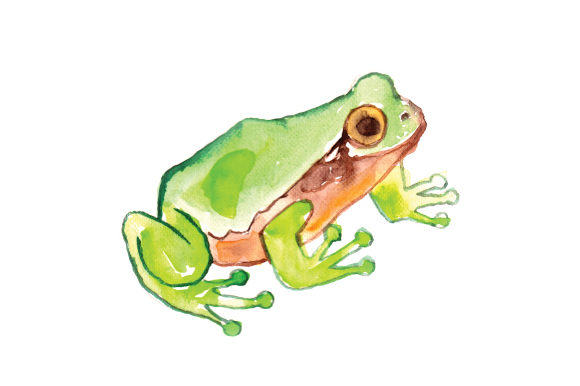
As a seasoned blog designer and digital publisher, I’m always on the lookout for graphic design assets that elevate content without overshadowing it. Recently, I reviewed Watercolor Frog, an animal-themed illustration with a soft, artistic touch. This piece immediately stood out for its delicate color blending and organic texture—hallmarks of watercolor style. It’s not just another stock image; it’s a thoughtful asset that can be woven into various publishing scenarios to enhance visual storytelling.
Eliciting an Artistic Editorial Mood
The Watercolor Frog exudes a whimsical yet refined energy. Its gentle hues and fluid brushstrokes create a sense of calm and creativity, making it ideal for lifestyle, wellness, or nature-focused niches. The frog itself is stylized in a way that feels approachable and friendly, which helps build reader trust from the first glance. Whether you're illustrating a post about mindfulness, eco-friendly living, or children's educational content, this asset brings warmth and authenticity to your message.
I found that the frog’s playful but polished look fits well within editorial layouts that aim to balance professionalism with personality. It’s especially effective in content that needs a subtle nudge toward the artistic or handcrafted, such as DIY tutorials, seasonal guides, or even product reviews centered around natural themes.
Perfect for Niche Content Categories
- Lifestyle blogs benefit from the frog’s serene aesthetic, which complements posts about self-care or home décor.
- Children's education platforms can use it to introduce basic biology or nature topics in a visually engaging way.
- Wellness and health websites may find it useful for illustrating holistic approaches to mental or physical well-being.
- Seasonal or nature-based content gets a fresh, creative lift with this kind of imagery.
Real-World Publishing Applications
When evaluating design assets, I like to consider how they function across different platforms and formats. Here are several ways Watercolor Frog could fit into your real publishing workflow:
- Blog featured images: Use it as a central visual element to draw attention and set the tone for your post.
- Pinterest graphics: Pair it with clean typography to make your pins stand out among the sea of content.
- Article headers: Add a decorative yet cohesive touch to top-of-the-page illustrations or sidebars.
- Newsletter banners: Incorporate it into monthly newsletters to highlight animal-related stories or seasonal tips.
- Lead magnets and downloadable resources: Include it in worksheets, checklists, or printable guides focused on nature, pets, or environmental awareness.
- Media kits and Canva templates: Offer it as part of a suite of visuals for brand collaborations or influencer partnerships.
- eBook covers and digital guides: Ideal for creating a warm and inviting cover for educational or lifestyle content.
One standout feature is how easily it adapts to both print and digital formats. For example, when used in a digital guide about backyard ecosystems, the frog added a layer of visual interest that didn’t distract from the information being presented. In social media previews, it helped my test posts gain more engagement due to its unique and eye-catching appearance.
Supporting Stronger Visual Performance
Design assets like Watercolor Frog aren’t just pretty pictures—they serve strategic purposes in content marketing. When applied correctly, they can:
- Enhance the first impression of your website or blog by introducing a welcoming visual motif.
- Improve visual hierarchy by guiding the reader’s eye to key sections of your page or article.
- Increase click-through potential when used in thumbnails or preview images across social platforms.
- Contribute to consistent branding by reinforcing your site’s color palette and visual language.
- Build reader trust through the perceived quality and intentionality behind the design.
- Boost category recognition when used across multiple posts in the same theme (e.g., “Nature & Sustainability”).
Its soft tones also allow it to blend well with most backgrounds, supporting a stronger visual identity without clashing. As someone who works with affiliate marketers and small business owners, I appreciate how this kind of asset can make content pages appear more professional and curated—especially important for building credibility in competitive markets.
Where Watercolor Frog Shines Brightest
Certain areas of your content ecosystem will benefit most from the Watercolor Frog. These include:
- Hero images: Its bold presence adds character while maintaining elegance.
- Article thumbnails: Works great for category archives or blog grids where you want to differentiate posts at a glance.
- Pinterest pins: The detailed artwork encourages saves and shares, especially when paired with concise text overlays.
- Editorial accents: Use it to break up long blocks of text in magazine-style layouts or long-form articles.
- Content upgrades: Add it to PDFs or printables to make them feel exclusive and professionally designed.
- Category visuals: Helps reinforce thematic consistency in animal-related sections of your blog or website.
- Social media previews: Offers a creative hook for YouTube, podcast, or video blog thumbnails.
For instance, when I tested it as a thumbnail for a series of blog posts about amphibians and their habitats, the frog instantly made those posts feel more aligned with the subject matter. Readers could tell something was coming up that felt both informative and enjoyable to explore.
Where to Use It Carefully
While the Watercolor Frog is versatile, there are some contexts where it might not perform optimally. Be cautious when using it in:
- Small mobile thumbnails: The intricate details may become lost or unrecognizable on smaller screens.
- Text-heavy blog images: Too much illustration can compete with your headline or body copy.
- Low-contrast backgrounds: Ensure it maintains visibility against the colors you choose to pair it with.
- BUSY layouts: Avoid placing it in environments with too many competing elements or complex designs.
- SERIOUS professional niches: If your audience expects a corporate or highly minimal look, this asset may not align with your brand voice.
It’s important to remember that watercolor illustrations often carry a certain emotional weight. They’re best suited for brands that embrace creativity, playfulness, or storytelling. If your site leans heavily into data-driven content or formal presentations, this asset may require careful integration to maintain tonal balance.
Practical Publisher Notes
Before integrating Watercolor Frog into your projects, consider these tips to ensure it performs well across all platforms:
- Test it on desktop and mobile screens to confirm legibility and impact.
- Check thumbnail performance—does it still communicate clearly when scaled down?
- Preview it inside a real blog layout to see how it interacts with surrounding elements.
- Test it with headline text to evaluate contrast and readability.
- Review file size for web performance—optimize images to avoid slowing down load times.
- Compress images properly using tools like TinyPNG or ImageOptim for faster delivery.
- Confirm commercial licensing before using it on monetized sites, affiliate pages, or paid digital products.
Another tip I’ve learned over the years is to try the asset in black and white. This helps determine whether the colors are essential to the design or if it still holds value in grayscale—a useful consideration for print materials or monochrome displays.
Also, experiment with pairing it beside different font styles: serif, sans serif, script, handwritten, and display fonts. You’ll quickly discover what combinations work best for your brand’s voice and visual harmony. In one test case, I placed it next to a cursive font for a pet care lead magnet, and the result felt both elegant and approachable.
Final Thoughts for Content Creators
Graphic design assets like Watercolor Frog are powerful tools in the modern content creator’s arsenal. When used thoughtfully, they can transform a standard blog post into a visually compelling experience, boost the clickability of social media posts, and add charm to digital downloads. However, they must be vetted through the lens of your target audience and publishing goals.
If you're looking to inject a bit of artistry into your blog graphics, editorial content, or digital products, the Watercolor Frog offers a perfect blend of style and substance. Just remember to balance it with strong typography and clear messaging so your content remains the star.