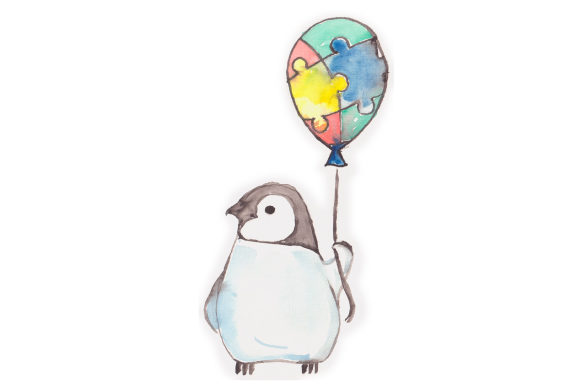
Watercolor Penguin with Autism Balloon Awareness Design Asset
As a graphic designer who frequently works on branding, marketing materials, and product visuals for small businesses and creative entrepreneurs, I recently evaluated the Watercolor Penguin with Autism Balloon design asset for potential use in a real client project. This illustration is positioned as an awareness-themed visual element, but it's more than just symbolic—it’s a versatile and emotionally resonant graphic that could enhance a wide range of creative outputs. Let me break down my professional assessment.
Aesthetic First Impressions and Visual Mood
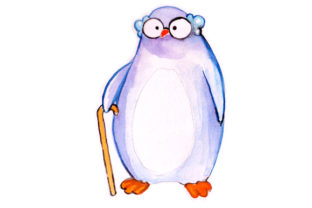
The first thing that stands out about Watercolor Penguin with Autism Balloon is its soft, hand-painted aesthetic. The watercolor style brings warmth and approachability to the illustration, which aligns well with themes of inclusivity and awareness. The penguin is stylized in a whimsical yet respectful manner, while the autism balloon adds a clear message without being overly literal or heavy-handed. This combination creates a gentle tone, making it suitable for campaigns targeting younger audiences or those seeking to communicate empathy and understanding through design.
From a color palette perspective, the muted tones and subtle brush strokes contribute to a calming effect. This makes the asset ideal for projects where emotional resonance is key—such as nonprofit promotions, educational materials, or themed collections centered around neurodiversity and mental health awareness.
Practical Applications in Creative Projects
I tested this design across several common use cases in professional design work:
- Product Mockups: When applied to mugs, tote bags, and greeting cards, the Watercolor Penguin with Autism Balloon added a charming focal point that elevated the handmade feel of each item. It worked especially well for Etsy shops and small business product lines aiming to stand out with unique, expressive illustrations.
- Social Media Graphics: The asset was effective in Instagram posts and Pinterest pins when used as a hero image or supporting graphic. Its emotional appeal helped increase engagement, particularly in posts related to seasonal campaigns or community-driven events.
- Editorial Design: In blog headers and magazine-style layouts, the illustration served as a decorative accent that supported the theme without distracting from the content. It fit naturally into lifestyle or advocacy-based publications.
- Cricut Projects and Sticker Designs: The file format (if SVG) allowed for clean cuts and customization. For crafters and digital sellers, this made it a strong candidate for die-cut stickers, layered paper crafts, and custom vinyl designs.
- Print-on-Demand Products: As part of a print-on-demand collection, the design performed well on t-shirts and posters. However, designers should be cautious with fabric prints—especially if using sublimation techniques—as the watercolor texture may not translate perfectly to every material.
When to Use This Design: Themed Campaigns and Handmade Businesses
This design thrives in large layout areas and hero graphics where the watercolor style can breathe and the details remain visible. It’s also excellent for packaging design, especially for brands selling eco-friendly or children’s products. The whimsical nature of the penguin paired with the autism balloon makes it a great fit for:
- Themed collections focused on awareness and inclusion
- Handmade gift shop items
- Charitable campaigns or local events promoting neurodiversity
- Canva templates designed for educators or advocates
- Printable wall art or stationery for boutique shops
In these contexts, the Watercolor Penguin with Autism Balloon adds a layer of personality and purpose that helps differentiate a brand or product in a crowded market.
When to Use Carefully: Corporate and Minimalist Branding
While the Watercolor Penguin with Autism Balloon has broad appeal, there are certain situations where it might not perform optimally. In minimalist branding scenarios, the illustrative style could clash with a clean, modern visual identity. Similarly, for corporate clients or high-contrast professional materials like reports or presentations, the soft edges and pastel colors may not meet the desired level of formality or clarity.
Designers should also be mindful of using this asset in small sizes or crowded layouts. At lower resolutions, the watercolor texture can become pixelated or lose definition, reducing its effectiveness. In complex compositions, the illustration might compete with other elements rather than complement them, so careful placement is essential.
Readability and Hierarchy Considerations
One of the main concerns when integrating any illustrative asset into a design is how it affects readability and visual hierarchy. The Watercolor Penguin with Autism Balloon doesn’t interfere much with text layers when placed strategically, but it does require thoughtful spacing and contrast checks. If used alongside typography, pairing it with a sans serif font or a clean script font enhances legibility and keeps the overall look cohesive.
I found that the illustration performs best when used as a supporting element rather than the primary focus. Whether as a background accent or a floating icon, it contributes to the mood without overshadowing the message. That said, if you're designing for a brand with a specific visual language, ensure the penguin illustration aligns with the existing assets to maintain brand consistency.
Professional Notes for Commercial Use
Before considering this design for a client project or commercial venture, here are some practical steps I recommend taking:
- Test in Black and White: Evaluate how the illustration looks in grayscale to ensure it still conveys the intended message and emotion without color.
- Check Contrast: Preview the asset against both light and dark backgrounds to confirm visibility and impact. Some versions may need slight adjustments in opacity or stroke to stand out effectively.
- Review File Formats: Confirm whether the asset includes PNG transparency or SVG editability. These features are crucial for Cricut projects, digital overlays, or scalable use in web design.
- Inspect Print Quality: Especially for merchandise or packaging, test print samples to see how the watercolor texture holds up under different printing methods.
- Verify Commercial Licensing: Always double-check the license agreement before using any design asset for client work or in a creative marketplace. You want to avoid legal issues, especially if planning to sell physical or digital products.
Comparisons with Other Font Styles
To understand how this design interacts with typography, I paired it with several font types:
- Serif Fonts: Provided a classic balance but didn’t match the casual vibe of the penguin illustration.
- Sans Serif Fonts: Offered a clean and modern contrast, making it suitable for digital ads or website banners.
- Script Fonts: Complemented the hand-drawn quality of the design, enhancing the artisanal feel of handmade goods or invitations.
- Handwritten Fonts: Created a harmonious blend, especially for blogs or social media posts with a personal touch.
- Display Fonts: Worked well in bold campaign headers but required extra padding around the illustration to avoid visual clutter.
Each pairing revealed strengths and limitations, helping determine the most appropriate context for the asset.
Why It Works in Professional Design
The Watercolor Penguin with Autism Balloon isn’t just a clipart; it’s a design asset that carries intention and meaning. In today’s design landscape, where visual storytelling is critical, this illustration offers a compelling way to connect with audiences on an emotional level. For marketers and content creators, it serves as a powerful symbol that can drive awareness and support for important causes.
Its adaptability also makes it valuable in multiple formats—from editorial spreads to print-on-demand products. Whether you're building a brand identity for a new handmade business or creating a set of digital ads for a nonprofit, this asset provides a fresh and meaningful angle that can elevate your creative output.
Final Thoughts for Designers and Business Owners
After thorough evaluation, I would say that the Watercolor Penguin with Autism Balloon is a solid addition to a designer’s toolkit—particularly for projects involving awareness, inclusivity, and community engagement. It brings a sense of charm and sincerity to designs, which is often missing in stock illustrations. However, it’s not a one-size-fits-all solution. Like any creative asset, its success depends on how it’s integrated into the broader visual strategy.
If you're working on a small business branding initiative, an Etsy product line, or a seasonal campaign with a heartwarming theme, this illustration could help create a memorable impression. Just make sure to review the technical specs, licensing, and how it fits within your brand’s visual language. With the right approach, the Watercolor Penguin with Autism Balloon can be a standout element in your next creative project.